About Me
Hi, I’m Lele Yang, a designer focused on user experience and interface design.
I was first drawn to design because I have always loved beautiful things. I believe aesthetics shape how people feel when they use a product. A clear and inviting interface can encourage exploration and make even an ordinary interaction feel enjoyable. Over time, I became curious about what makes an experience truly engaging, and what causes people to hesitate or feel confused.
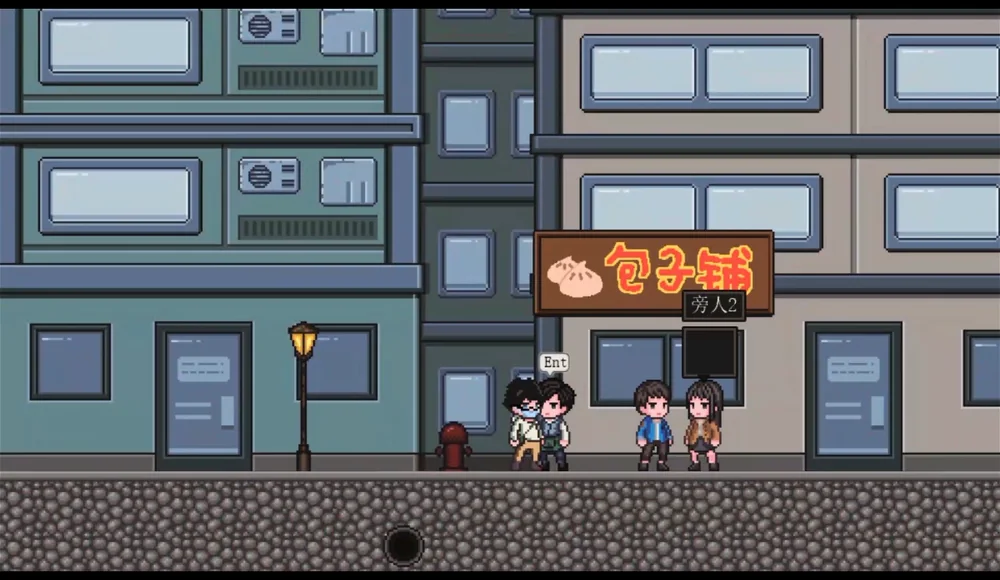
While studying Digital Media Art at Beijing Film Academy, I worked on many game related projects. Designing games taught me to think carefully about what players notice first, where they might get stuck, and what motivates them to keep going. Through this process, I discovered that I enjoy observing and researching users. I am good at identifying problems through their behavior, organizing complex flows with clear logic, and turning ideas into tangible experiences through wireframes and prototypes.
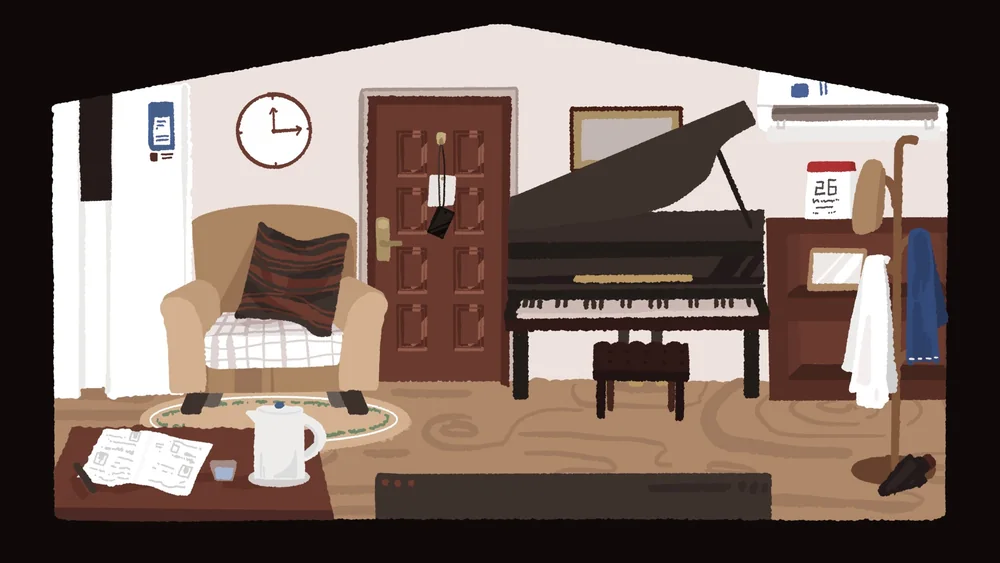

Games have always been a medium for me. They gave me a way to bring visual design, storytelling, interaction, and systems thinking into a single experience. They also helped me identify the area I wanted to explore more deeply: how people understand and use products.
When I began my graduate studies at Parsons School of Design, I shifted my focus toward user experience and interface design. Through projects involving financial data platforms and budgeting tools, I used research, prototyping, and usability testing to understand users’ difficulties, then refined the information architecture and interactions based on what I learned.

Today, AI and code allow me to turn ideas into interactive prototypes more quickly. I can test them myself, uncover problems, and continue improving them while communicating my design decisions more clearly to collaborators. I want to create products that move beyond Figma—products that are tested through real use, refined through iteration, and ultimately brought to life.