About me
I used to think that the most important thing about a piece of work was whether it had meaning.
I would always ask myself what it was trying to say, what it could bring to people, and why it was worth making.
Over time, I started to see things a little differently. Meaning is still important to me, but I also believe that making something beautiful can be meaningful on its own. A clear interface, a smooth interaction, or even a visual that makes someone want to stay for a few more seconds can already create a good experience.
I also know that I do not want to focus only on visual design. I really like logic, and I enjoy understanding why people hesitate, why they click the wrong thing, or why something feels hard to use even when it looks simple.
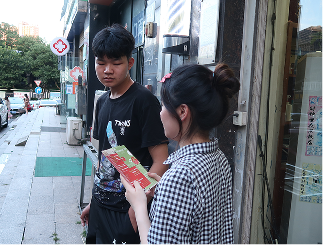
That is why I like user testing so much. I enjoy listening to people, hearing their stories, and understanding the habits and experiences they bring into a product. For me, design becomes more interesting when I can use those different points of view to make something easier, clearer, and more useful.
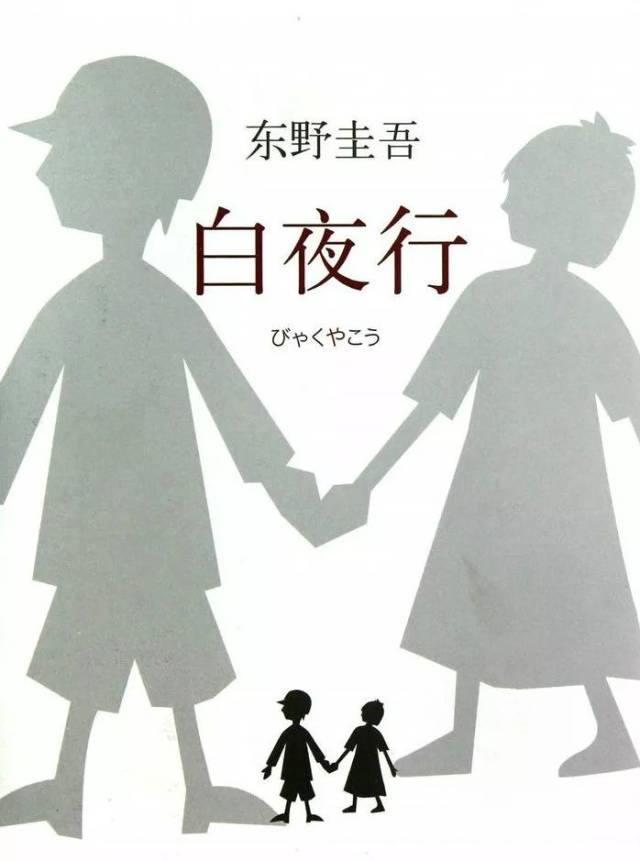

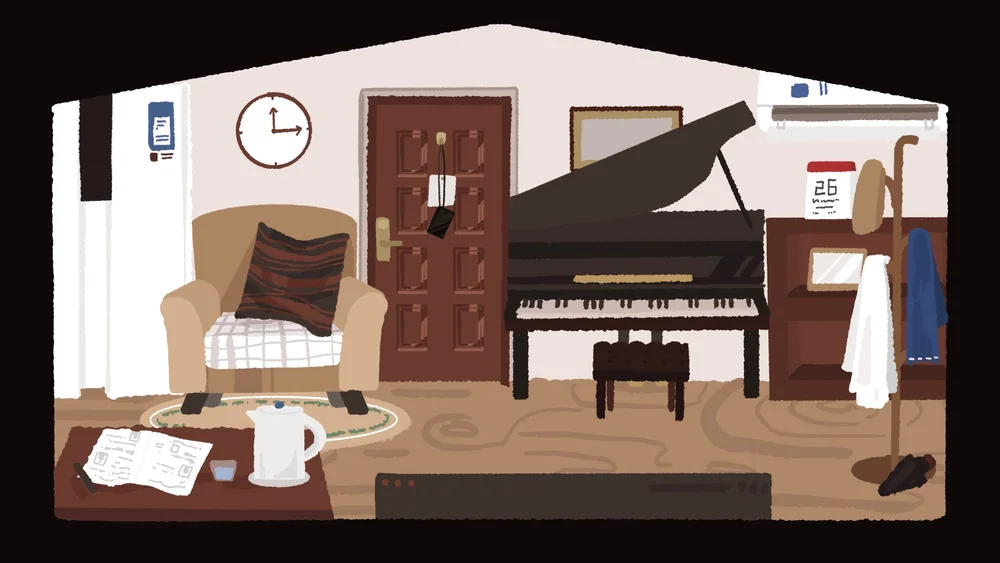
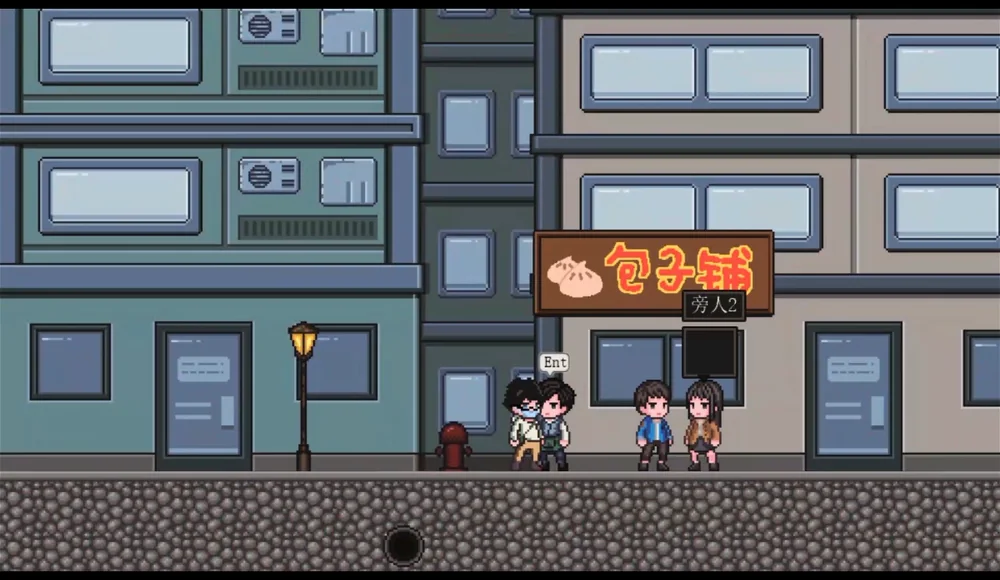
I have worked on many game-related projects, so people often ask me if I want to become a game designer. The answer is not really.
I have always seen games more as a medium. They give me space to bring UI, UX, storytelling, visuals, and logic together in one experience. That is what I like about them. The same is true for websites, digital products, and AI projects. They are all different ways for me to explore how people experience something.

I do not want to be someone who only designs screens. I want to understand how people think, why they act in certain ways, and whether a design is actually helping them.
I care a lot about how things look, but I care just as much about how they work. I like finding the balance between beauty and logic. To me, good design should feel good to look at, but it should also feel natural to use.
AI has also changed the way I work. In the past, I could have a clear idea in my head but still be limited by whether I could actually build it.
Now I can move much faster from an idea to something real, interactive, and testable. I can build websites, try different interactions, test product ideas, and turn something that once only existed in Figma into a working experience.
I do not see AI as something that designs for me. I see it as a tool that helps me bring my own ideas to life more fully.
That is the kind of designer I want to keep becoming: someone who cares about beauty, listens to people, thinks through the logic, and can turn an idea into a real experience.